 SRK Warriors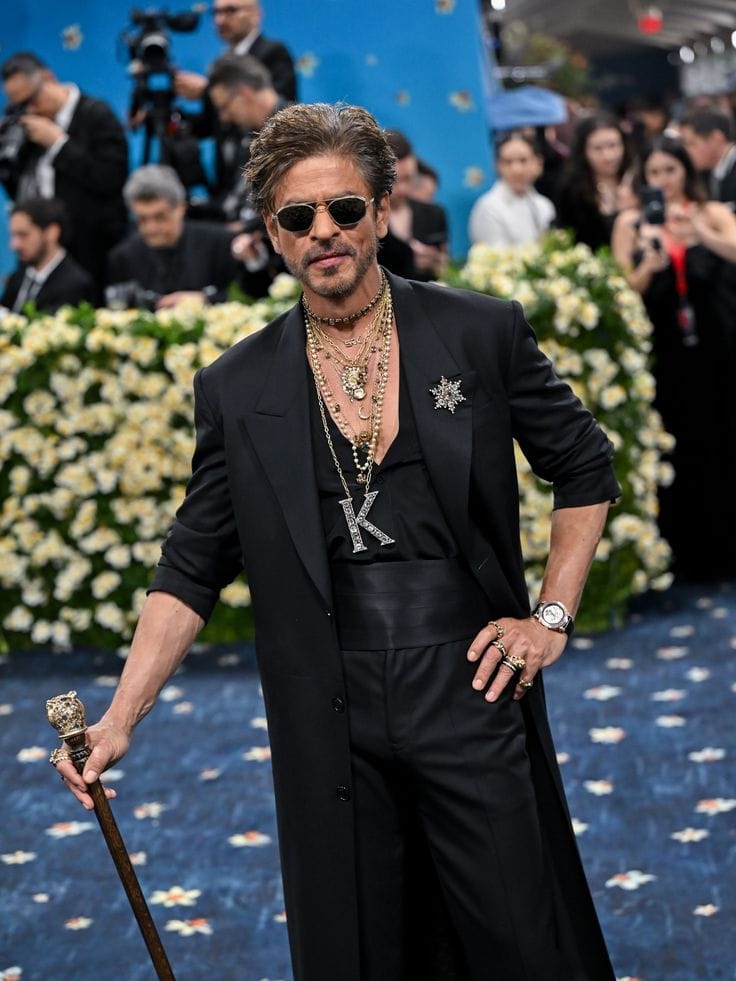
A Pakistani writer reflects on the profound cultural resonance of Shah Rukh Khan's films across South Asia, arguing that his cinematic work transcends national borders to speak to a shared regional identity. Growing up in a religiously conservative household in Pakistan, the author discovered in Khan's movies—particularly Dilwale Dulhania Le Jayenge, Kuch Kuch Hota Hai, Kabhi Khushi Khabie Gham, Kal Ho Naa Ho, Om Shanti Om, Swades, and Veer-Zaara—an artistic vocabulary for South Asian culture that felt both familiar and liberating.
The writer argues that Khan's films capture emotional and aesthetic worlds that predate modern political partition, revealing layers of shared cultural inheritance through music, clothing, family rituals and language. Veer-Zaara is highlighted as particularly significant for its depiction of a romance that crosses the India-Pakistan border, mirroring the author's own complex relationship with geography and belonging. For the author, who cannot visit India due to visa restrictions, Khan's cinema functioned as a form of cultural access—allowing exploration of a shared South Asian identity that political borders had otherwise made inaccessible.